The box that became a drum
A shipping crate played as a drum because drums were banned, and how the instrument was refined once it stopped needing to be disguised.
When the crate was the only option
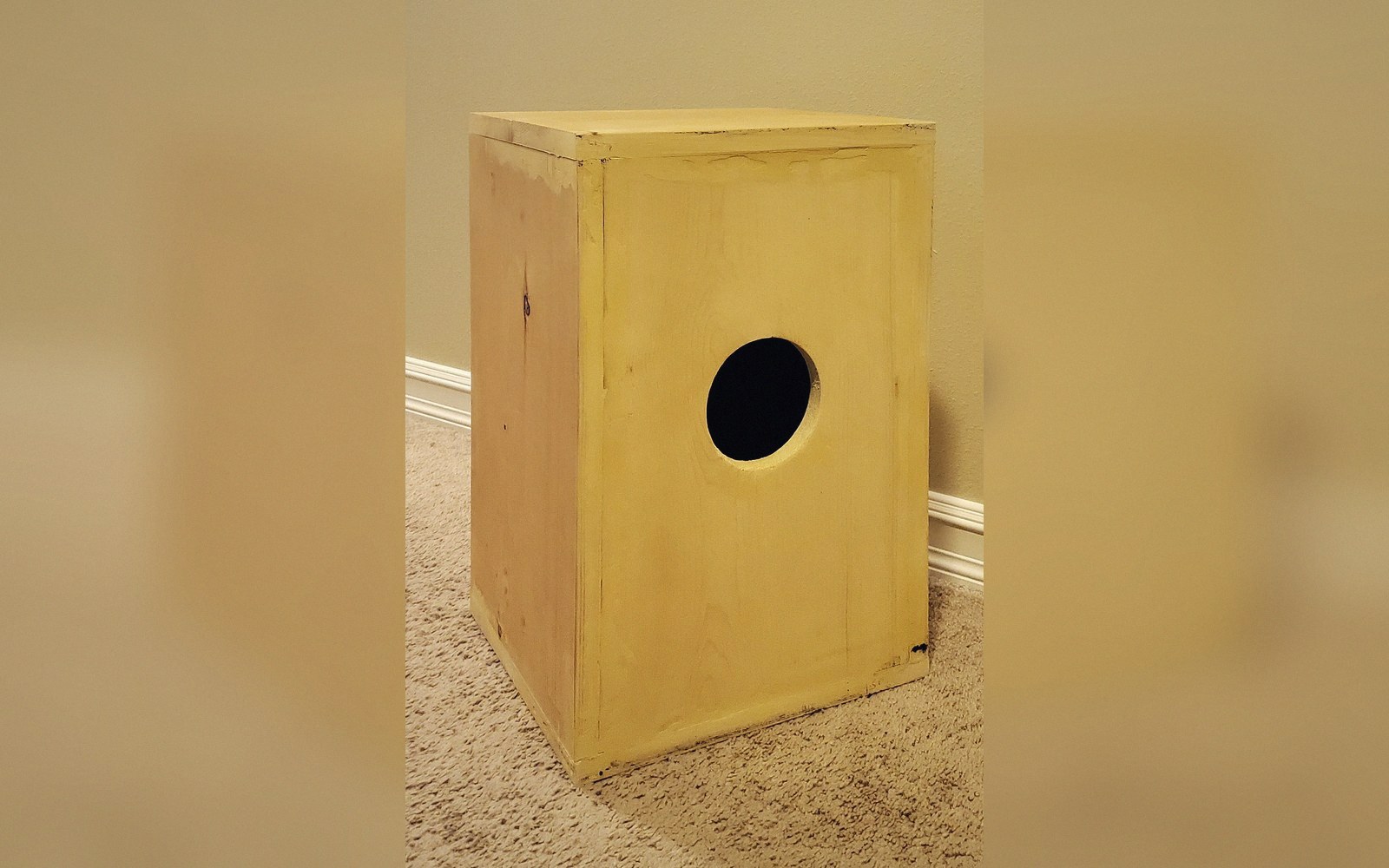
The cajón — the word means simply "box" or "crate" in Spanish — is a percussion instrument that looks, at a casual glance, like something you might sit a stack of newspapers on. Six sides of wood, a hole cut in the back, and a playing surface at the front. That plainness is the whole point, and it carries history inside it.
The instrument emerged on the coast of Peru, among enslaved African communities concentrated in Lima and the surrounding coastal valleys, at some point during the colonial period. The precise moment cannot be pinned — what survives is the instrument itself, not a record of its invention — but by the nineteenth century the cajón was already central to Afro-Peruvian musical gatherings. Colonial prohibitions on African drums and public assembly forced musicians toward whatever came to hand: packing crates, storage boxes, drawers pulled from furniture. A flat wooden surface that could be struck produced sound. That was enough.

The genius of the substitution is that the colonial prohibition could not easily recognize what it was looking at. A crate is not a drum. The wooden box survived where the membrane drum could not, and the technique built around it — the player seated astride it, striking the front face with open palms, heels, and fingers at different heights to produce a range of tones — developed into something sophisticated enough to outlast the conditions that created it.
Key moment
- Early 1980sPaco de Lucía introduces the cajón to flamenco after encountering it in Peru; the instrument enters European music wholesale from that point
Refinement after the ban
What distinguishes a modern cajón from a found crate is the treatment of the tapa, the front striking face. That face is cut thinner than the rest of the box — typically around six to eight millimeters — and attached loosely at the top and sides so the edges can vibrate freely. Strike the centre of the face low and you get a deep bass tone; strike near the upper corners and the loose edge produces a sharp, snapping crack that approximates a snare. The difference between a dull box and a responsive instrument is almost entirely in the tapa and how it is mounted.
Inside, the construction has been further refined over time. Peruvian makers began fitting guitar strings or wire snares against the inner surface of the tapa, adding buzz and sustain to the high tones. When the instrument reached Spain through musician exchanges in the late twentieth century — Paco de Lucía is widely credited with bringing one back from Peru in the early 1980s and introducing it to flamenco — European makers began experimenting with adjustable internal snares using standard snare-drum wires instead of guitar strings, operated by a knob through the side panel so the player can tune or remove the buzz entirely.
The body itself is typically constructed from five or six-millimeter birch or mahogany plywood for the sides and back, which need stiffness and resonance without excessive mass. The choice of wood for the tapa matters most: paulownia, cedar, and thinner birch are all used, each shifting the balance between warmth and attack. A well-built cajón is also tuned by adjusting the gap at the tapa's edges during gluing — a wider gap brightens the snare response; a tighter one darkens it.
The playing position, the instrument straddled rather than mounted, keeps it an intimate object. It travels in a gig bag rather than a flight case. You can sit on it backstage. This portability was probably part of what made the cajón useful to enslaved musicians under colonial conditions, and it is still why session musicians and street performers reach for it: the box that once had to be invisible is now one of the most immediately recognizable percussion instruments in Latin American and Iberian music alike, carrying the logic of its own survival inside its construction.