Papier-mâché and fire
Objects built in quantity to be destroyed at the end of the day.
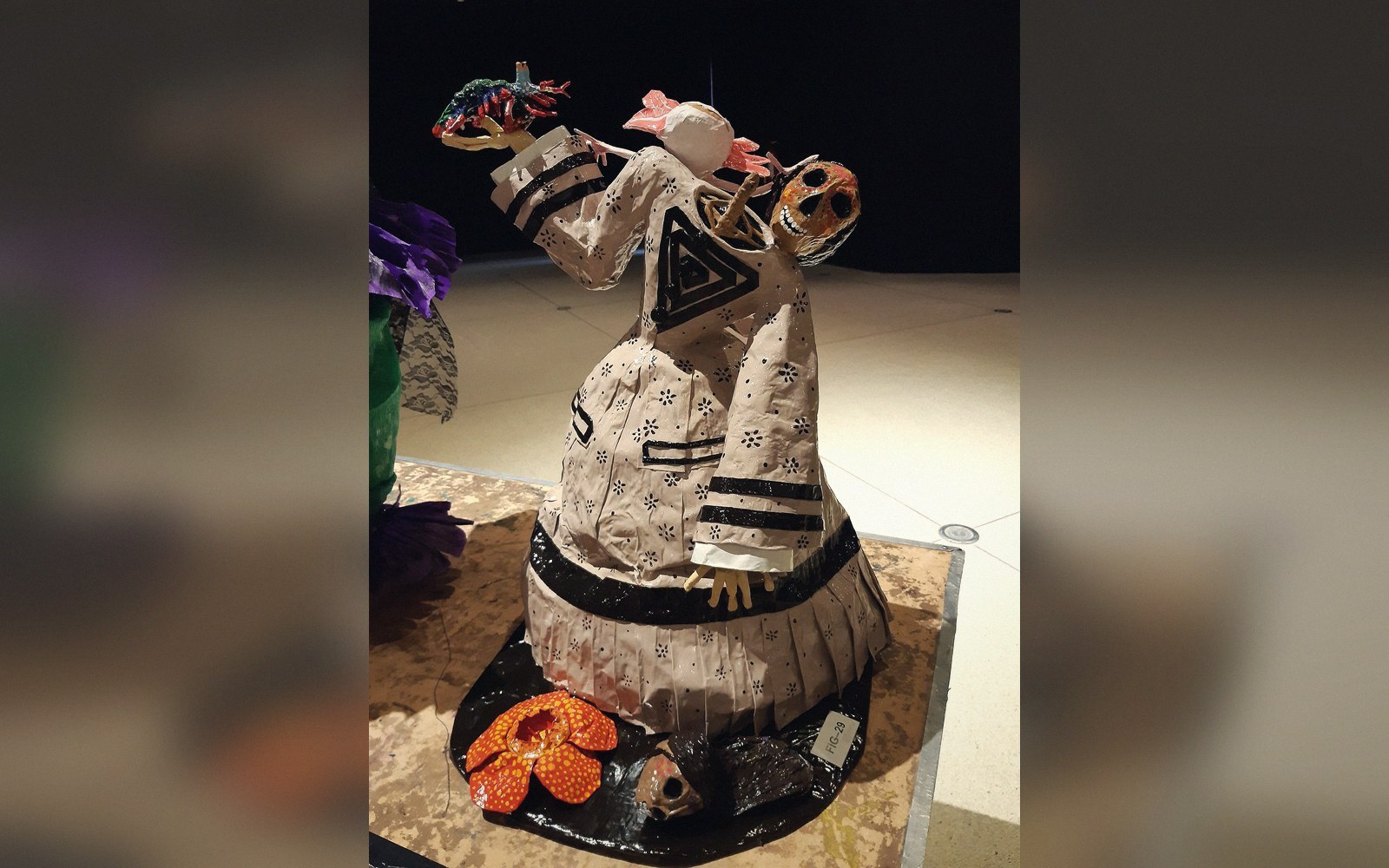
Festival figures built to burn
Every year in towns across Mexico, Guatemala, and the Andean countries, workshops spend weeks building figures intended to last one night. The objects — called monos in some regions, judas figures in others, años viejos at New Year — are made from newspaper, paste, wire, and paint. By midnight or dawn, they are ash.
The construction method is simple and fast by design. A wire armature is bent into the basic form — a standing figure, a devil, a caricature — and wrapped with strips of newspaper dipped in a paste of wheat flour and water. Layers are built up and left to dry before the next is added, each adding rigidity. Papier-mâché was not invented in Latin America; it arrived with colonial printing culture, which put waste paper in circulation in quantity for the first time. But the technique found a second life in festival production precisely because its materials are cheap, light, and — crucially — combustible.
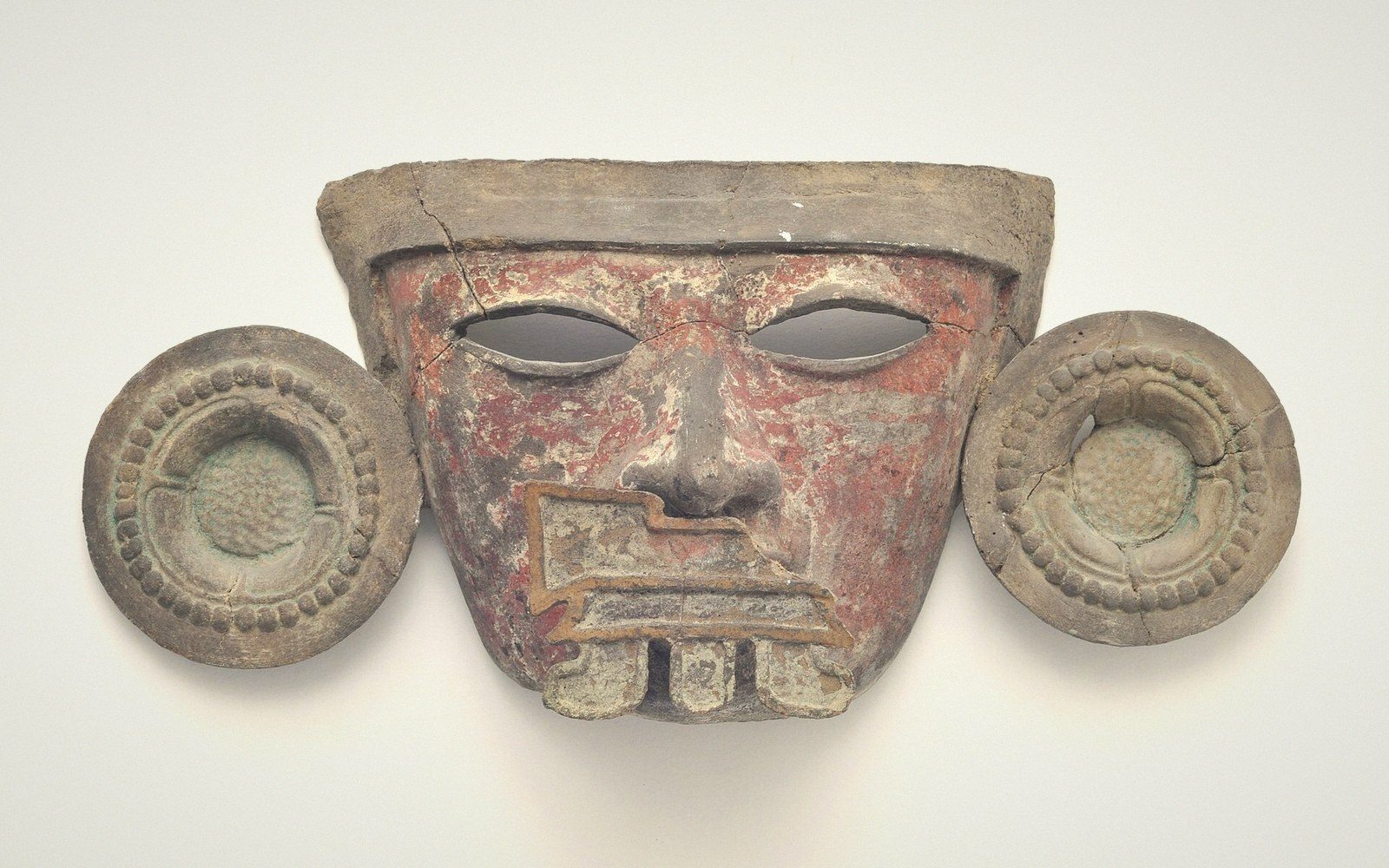
Finishing follows regional convention. In Oaxaca's quema de Judas tradition, figures are painted in vivid enamels and hung with firecrackers, so that destruction is loud as well as complete. In Ecuador's New Year años viejos, full-sized effigies of politicians, cartoon characters, or invented archetypes are stuffed with newspaper and sawdust to feed the fire. Mask-makers in some Guatemalan festival contexts use the same layered technique to build lightweight mask forms of the kind the carved mask tradition makes in wood — but without the expectation of permanence.
Scale is no obstacle. Workshops in Celaya, Guanajuato — a town with a documented papier-mâché trade going back to the nineteenth century — have produced figures several meters tall using the same wire-and-paste principle, simply scaling the armature. The limiting factor is drying time, not skill or material. In the weeks before a major festival, workshop floors are crowded with figures at every stage: wet, half-dry, primed, painted, waiting.
What the technique cannot survive is rain, which is why festival calendars in humid regions are built around dry-season windows. A figure left in a downpour before the burning night simply softens back into its constituent paper. The fire is not just spectacle; it is the only reliable ending for an object that was never built to outlast one day.
The making is the point. The destruction, when it comes, is legible to everyone watching because the whole neighborhood has seen the workshop running for weeks — has maybe bought scraps of newspaper, or handed wire through an open door.