The potato, in plural
Thousands of cultivated varieties in the Andes, kept apart on purpose, and the freeze-drying method that turns them into something storable for years.
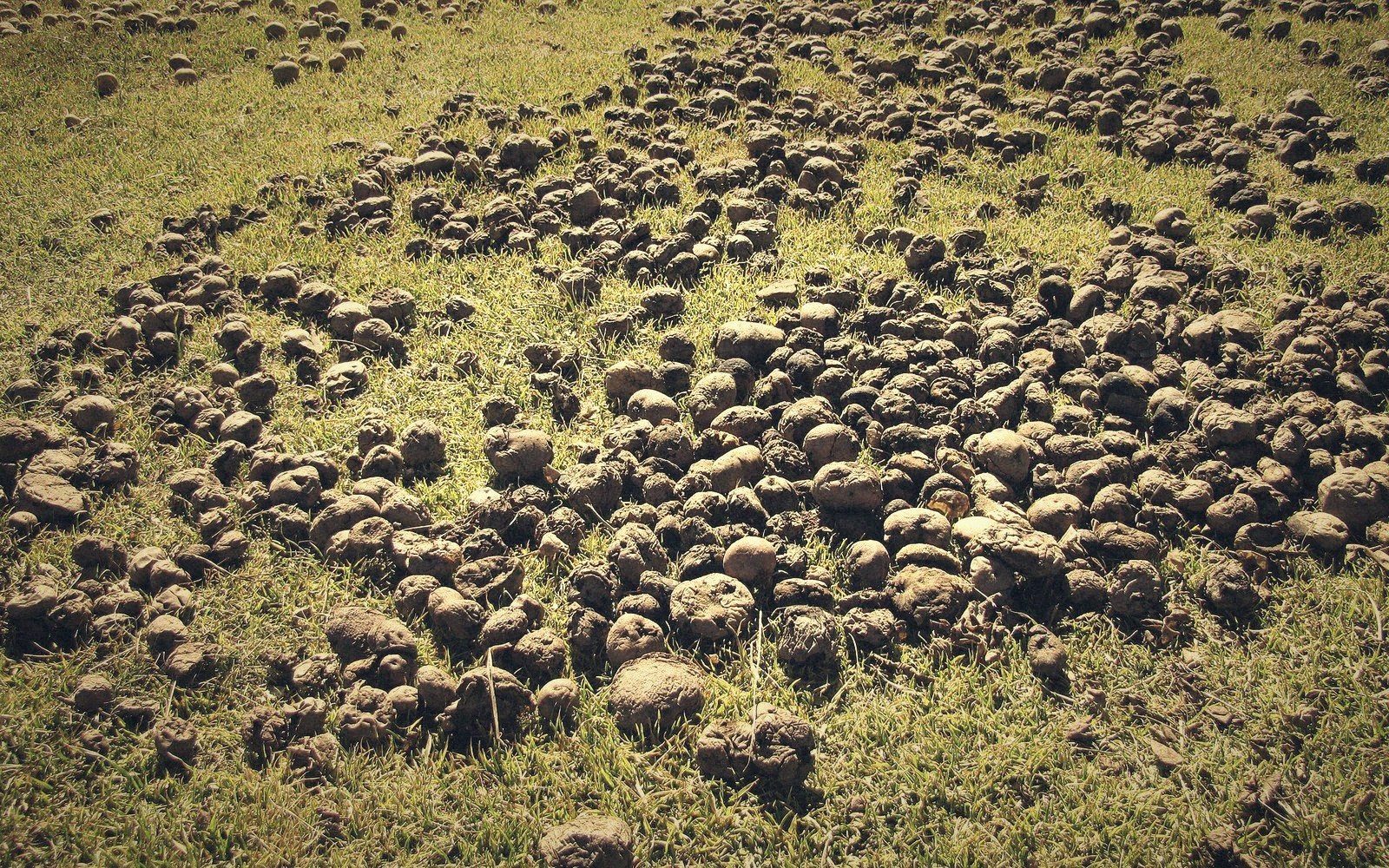
More kinds than any other place on earth knows what to do with
The Andes did not produce one potato. They produced thousands — and the communities that cultivated them did so deliberately, maintaining distinct varieties across different altitudinal zones, soil types and microclimates as a considered strategy rather than through accident or neglect. The International Potato Center, headquartered in Lima and known by its Spanish acronym CIP, holds a genebank of more than four thousand cultivated varieties collected from Bolivia, Peru and neighboring countries.
That number covers only what has been formally documented. Farmers in highland communities around Pisac, Chinchero and the area surrounding Lake Titicaca grow selections that exist nowhere else and carry names that distinguish them precisely: wayro, huayro, long and waxy; peruanita, small and bicolored; yana imilla, dark-skinned and starchy. The naming is taxonomy made practical — each variety behaves differently in the pot, dries differently, stores differently, and matters for a different purpose.
The altitude at which potato cultivation happens in the Andes — commonly between 3,500 and 4,200 meters above sea level — is high enough to make some varieties toxic unless processed. Many wild and older cultivated types contain alkaloids at concentrations that cause illness. Andean communities developed specific preparation methods over centuries to reduce that load: prolonged soaking in running water, boiling, careful peeling. But the most transformative technology is not a cooking method. It is a drying method that converts fresh tubers into something stable enough to last for years without refrigeration or salting.
Chuño and the logic of freeze-drying
Chuño — the word comes from Quechua — is potato that has been freeze-dried using the Andean climate itself as the machinery. The process requires the specific conditions found at high altitudes: temperatures that fall well below freezing at night and rise again by day, combined with intense solar radiation and low humidity. Farmers spread freshly harvested potatoes on flat ground in the open air.
Night freezing ruptures the cell walls and begins to push moisture out. By day, farmers walk across the spread potatoes barefoot, pressing out further liquid — a step called pisado in Spanish, though the practice long predates the word. The cycle repeats over four to five days. What remains is a hard, dehydrated pellet, roughly half the size of the original tuber, that will keep in a dry store for a decade or more.
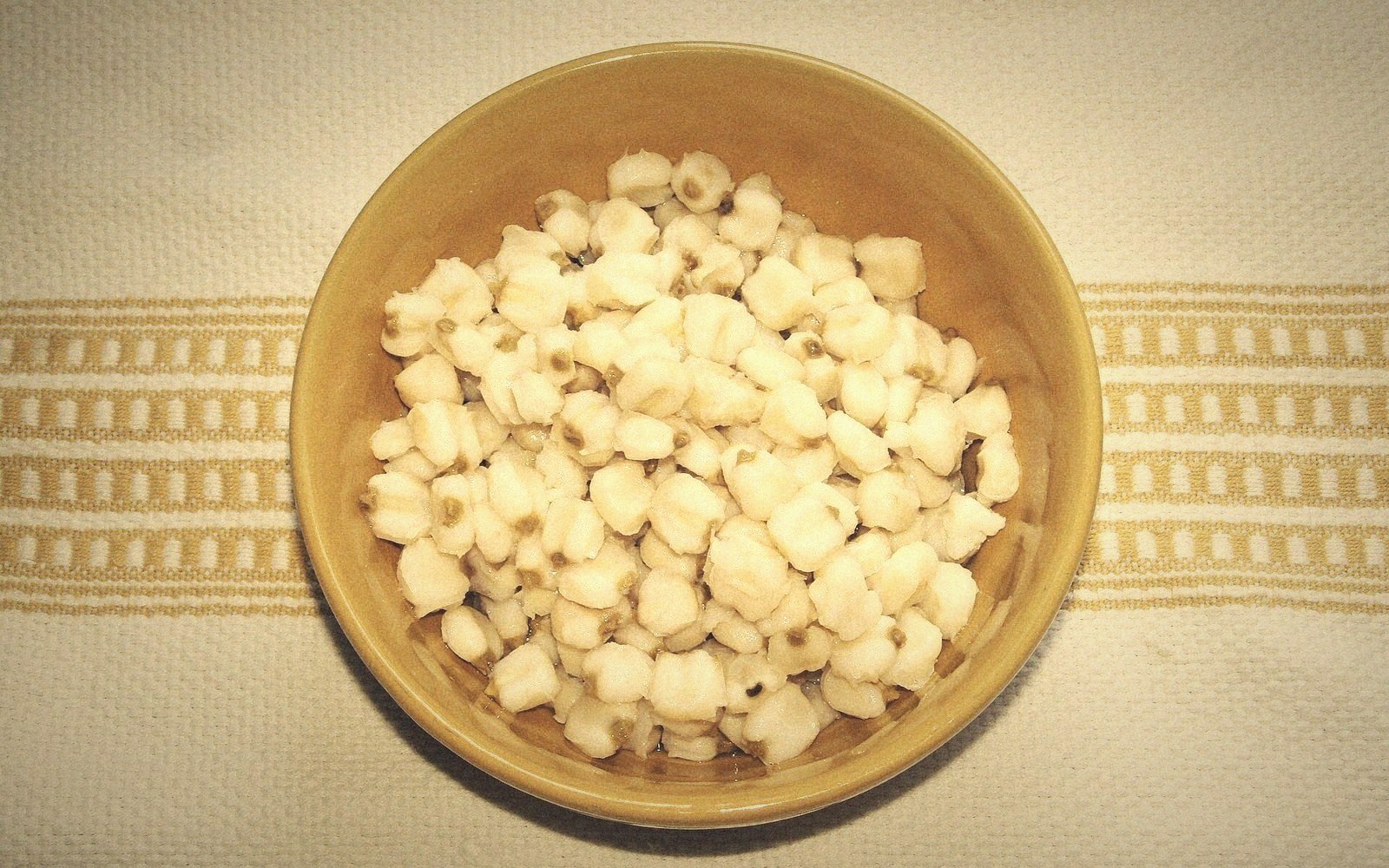
The resulting product is not a single thing. Black chuño (chuño negro) is made from bitter varieties put directly through the freeze-dry cycle without soaking, and it retains its dark, wrinkled skin. White chuño, known as tunta or moraya depending on the region and the community, requires an extra stage: the frozen tubers are submerged in a stream or irrigation channel for weeks before the final drying. Running water leaches the remaining alkaloids and color. The result is pale, almost chalky, lighter in flavor, and prized in highland cooking for its ability to absorb broth.
Both forms were already produced before any European contact and appear in archaeological evidence from sites across the Titicaca basin. They were stored in community warehouses — qollqas — under the administrative system of the Inca state, and they formed part of the caloric foundation of labor-intensive projects at altitude. Modern highland households continue to make chuño and tunta on the same annual schedule, in June and July, when newly harvested potatoes coincide with the hardest night frosts.
The logic of maintaining thousands of varieties connects directly to this. Different potatoes freeze-dry at different rates, yield different textures, and suit different downstream dishes. Chuño made from a waxy variety behaves differently in a broth than chuño from a floury one. The diversity is not sentimental. It is functional, tested across generations at altitudes where crop failure has serious consequences and where the ability to store calories in durable form has always mattered more than simplicity.