Cochineal
A red taken from an insect farmed on cactus — for three centuries one of the most valuable exports out of the Americas. How it is raised, dried and turned into colour.
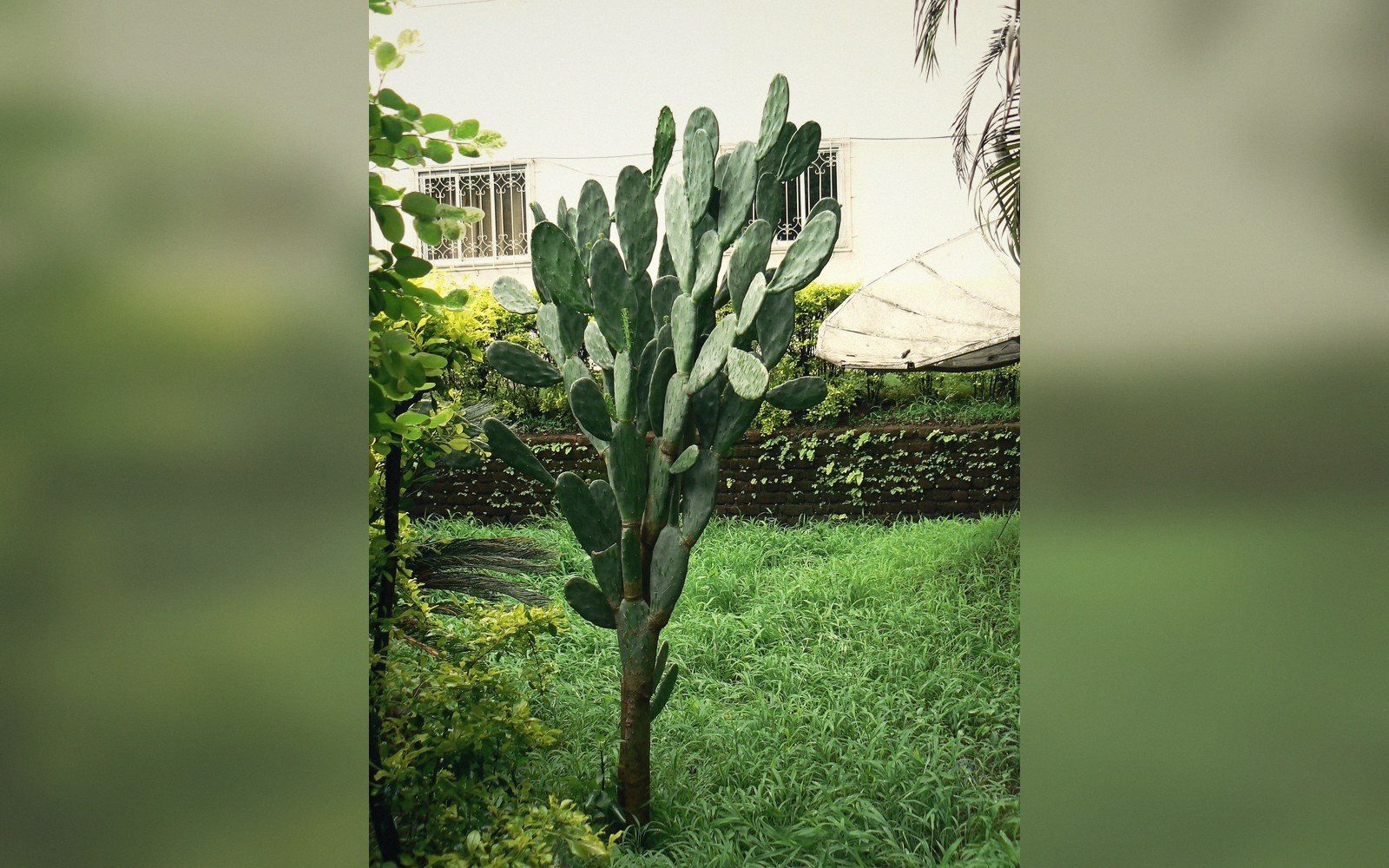
The insect that made a red the world could not match
For three centuries after Spanish ships began carrying it to Seville, cochineal ranked behind only silver as the most valuable export leaving the Americas. The source of that trade was an insect smaller than a watermelon seed: Dactylopius coccus, a scale bug that spends most of its life motionless on the pads of the nopal cactus (Opuntia), draining plant sap and converting it into a pigment so concentrated that even a modest harvest could dye cloth a red no madder or kermes could approach.
Raising the insect
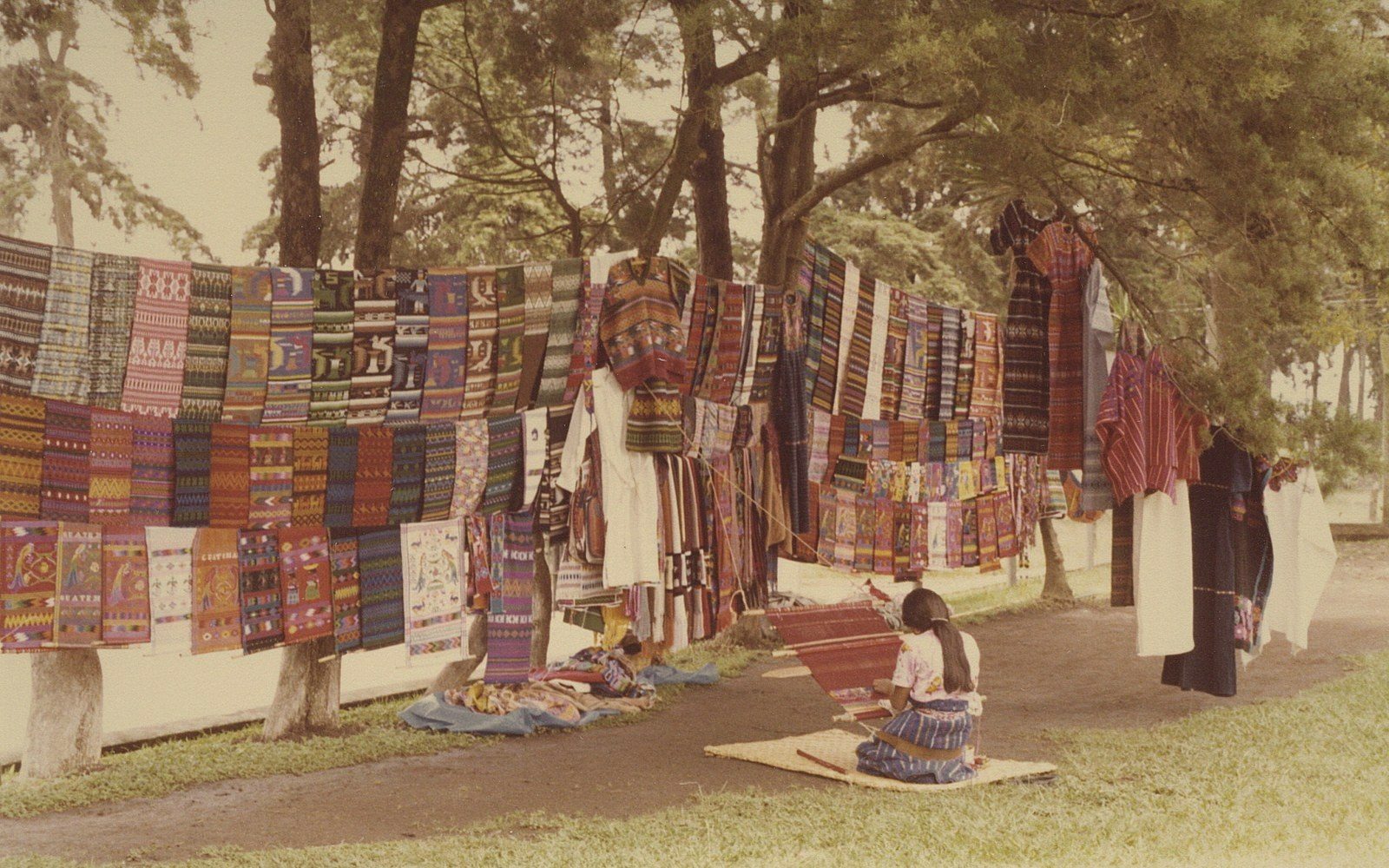
Cochineal farming — nopalería in its domestic form — is not a collecting operation. The insects are deliberately cultivated. The cycle begins when a farmer places small pieces of cactus pad already colonized by mother insects onto healthy nopal plants, wedging them into a pocket made from dried plant fiber or simply tying them against the surface.
The females settle, mate once, and then anchor themselves permanently. Over the following three to five months they feed on cactus sap rich in anthraquinone compounds, particularly carminic acid, which the insect accumulates at concentrations of up to roughly twenty percent of its dried body weight. Carminic acid is the insect's defense against predators; it is also the dye.
An acidic bath, achieved by adding lime juice or cream of tartar, pushes the color toward scarlet-orange.
The Oaxacan valleys in southern Mexico were the center of commercial production in the colonial period; today most of the world's supply comes from Peru. Farmers here manage outdoor nopal plantations, shielding individual pads from heavy rain and predatory beetles, and harvesting the females before they release their eggs — the moment when carminic acid concentration is highest. In wetter or more remote conditions, nopal sections are sometimes moved under shade structures or into enclosed spaces to protect the colonies.
Harvest is done by hand and by brush. A stiff-bristled tool or a wooden stick sweeps the white waxy powder — the protective bloom the insect secretes — along with the insects themselves into collection trays. Because the insects are fragile, harvesting is rapid and done colony by colony. The resulting material is a gray-white mass of live insects that has almost nothing visually to suggest the intensity of red it will yield.
From raw insect to dye bath
Killing and drying the insects is where color potential is locked in. Several methods have been used historically: immersion in hot water, brief exposure to steam, drying in the sun on flat surfaces, or placing them in low ovens. Sun-drying produces a slightly different surface sheen than heat-dried cochineal, but all methods reduce moisture to a level that allows long storage without degradation of the carminic acid. The dried insects shrink to dark reddish-brown granules. At this stage the raw material is sold by weight, and quality is assessed partly by carminic acid content, partly by the absence of adulterants.
To make a dye bath, the dried insects are ground — historically on a metate, the volcanic stone grinding slab used throughout Mesoamerican food and material culture — and the powder dissolved in water. The chemistry that follows when fiber meets the bath determines which red appears. Wool mordanted with alum yields a clear crimson.
An acidic bath, achieved by adding lime juice or cream of tartar, pushes the color toward scarlet-orange. An alkaline modifier — wood ash water, for instance — shifts it toward purple. Iron mordant saddens it to near-maroon. A single dye source thus produces a wide range of reds and purples without any change in the insect itself, which is why cochineal was so commercially flexible: one commodity, many outcomes.
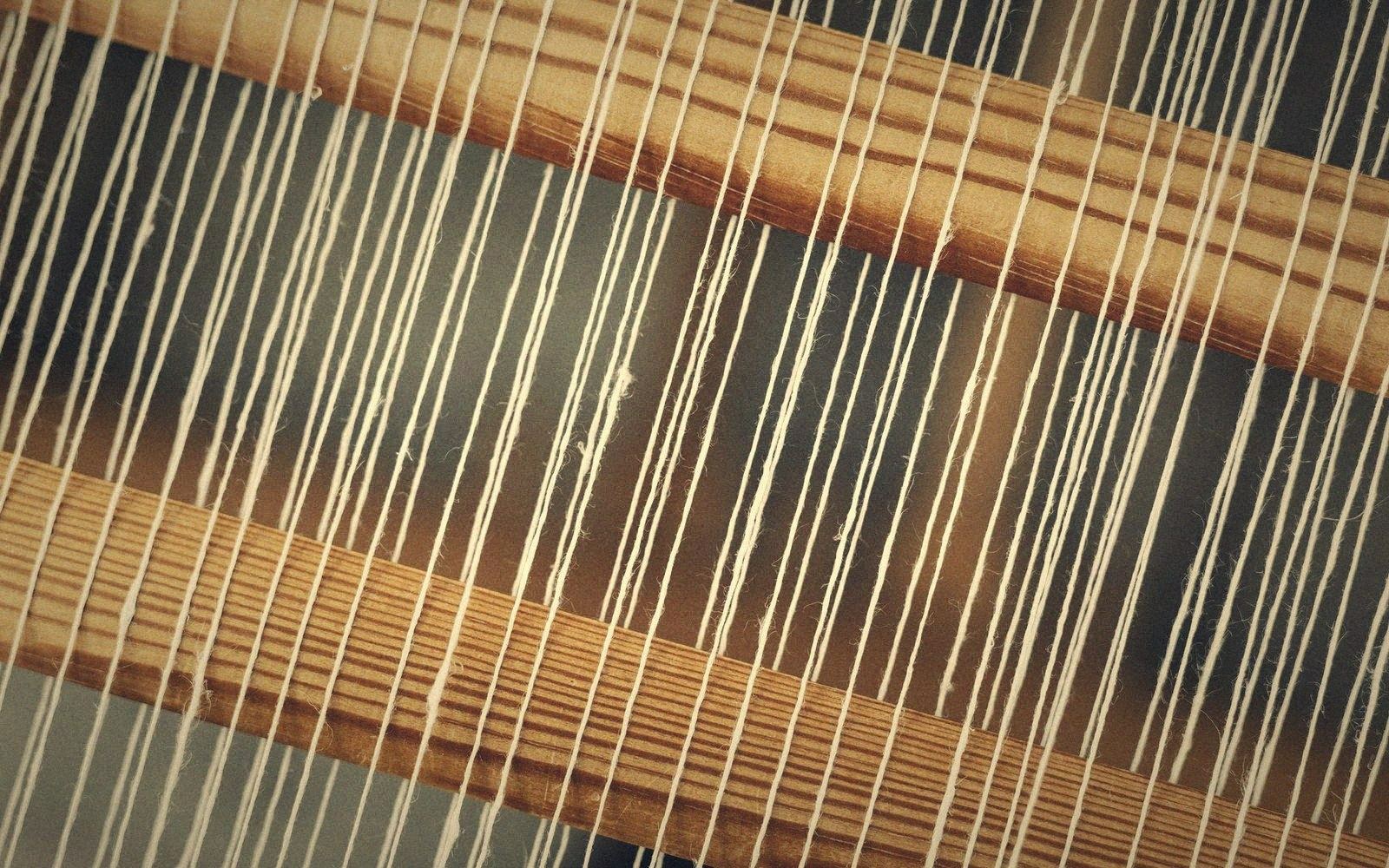
Silk takes cochineal brilliantly. Cotton is more reluctant and requires a tannin pre-mordant. Wool, the primary fiber of colonial European and Andean textile production, absorbs the dye with particular depth, which accounts for much of the colonial demand that made Oaxacan cochineal a commodity traded as far as India and Southeast Asia.
The Spanish crown monitored the trade through licensed monopolies for most of the colonial period. When those controls weakened in the nineteenth century, and synthetic aniline dyes arrived from European chemical laboratories, cochineal's market collapsed. It has since recovered, driven by food-coloring regulations that restrict synthetics in many markets — carmine, derived from cochineal, appears today in cosmetics, textiles and processed food worldwide.